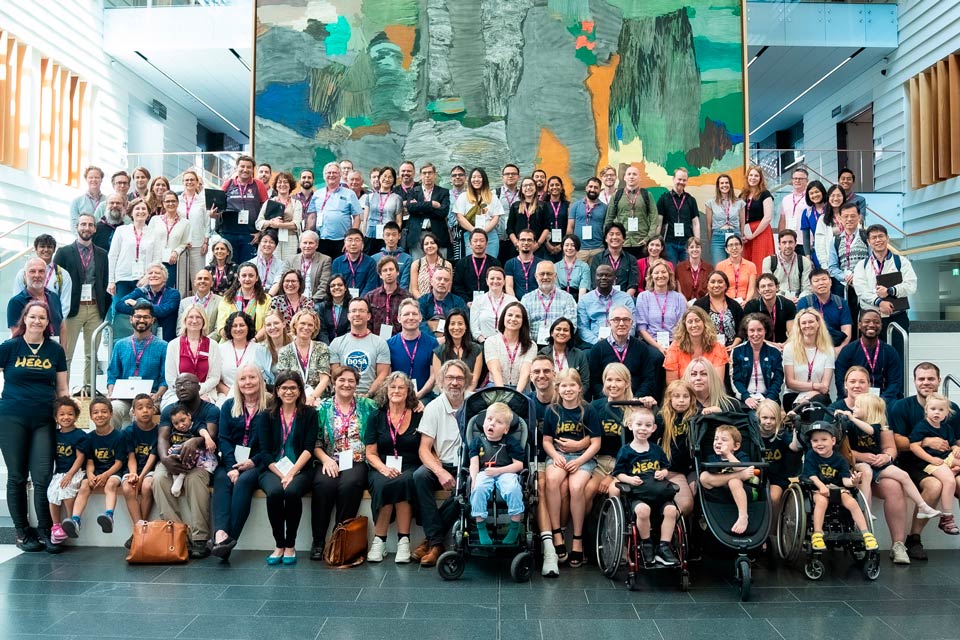
Since 2023, the Undiagnosed Hackathon — pioneered by Wilhelm Foundation — has brought together People Living With Undiagnosed Diseases and their families, clinicians, geneticists, bioinformaticians, molecular biologists, researchers, data scientists, AI specialists, and diagnostic tool developers from around the world. Each Undiagnosed Hackathon gathers about 150 collaborators from 35 countries — from all continents — organized by Wilhelm Foundation in collaboration with local and international partners. Together, we work side by side on the most complex undiagnosed cases, with one shared mission: to find new ways to solve the undiagnosed diseases that cannot be solved today.
Since 2025, the Undiagnosed Hackathon is a research project. Any findings are diagnostic leads that must be validated by the individual's own clinician before they can become a confirmed clinical diagnosis. And 48 hours is only the beginning — collaboration continues after each Hackathon with deeper analysis, functional studies, validation, and follow-up.
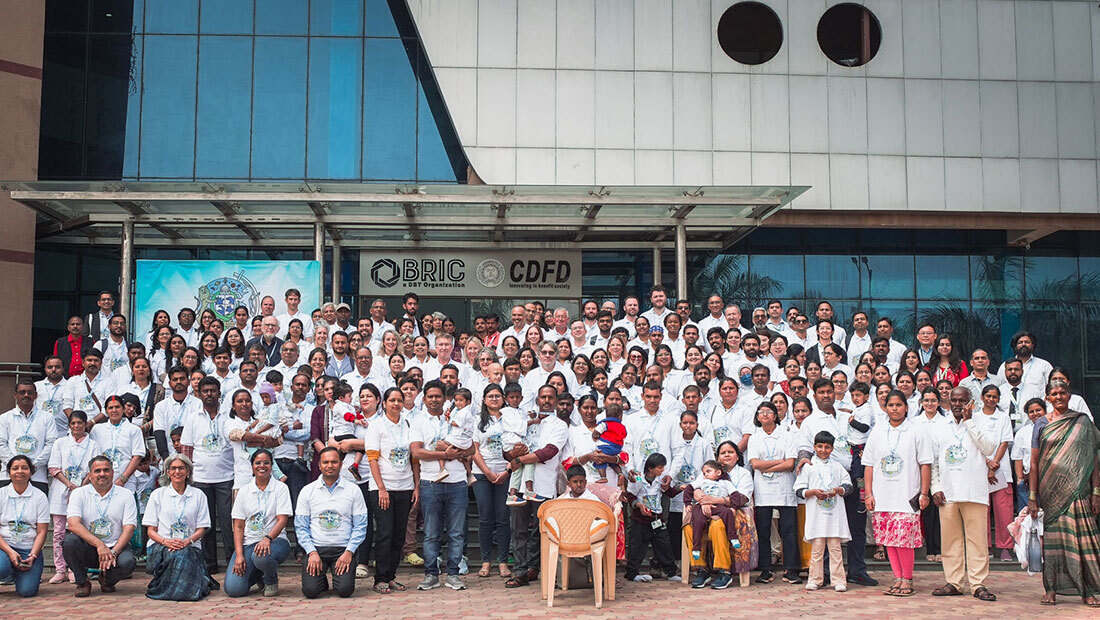
Hyderabad 2026 — the 4th Undiagnosed Hackathon
The 4th Undiagnosed Hackathon took place 3–5 February 2026 in Hyderabad, India, organized by Wilhelm Foundation in collaboration with BRIC-CDFD, together with Sir Ganga Ram Hospital and AVPN. More than 100 experts from 10 countries worked side by side on 25 of the most complex undiagnosed cases — and a potential diagnosis was identified for eight People Living With Undiagnosed Diseases. As the Undiagnosed Hackathon is a research protocol, every potential diagnosis must be validated by the responsible clinician before it can be used clinically. The Hackathon in Hyderabad also strengthened local diagnostic capacity, with Indian clinicians training in long-read sequencing during the event.
Mayo Clinic 2025 — the 3rd Undiagnosed Hackathon
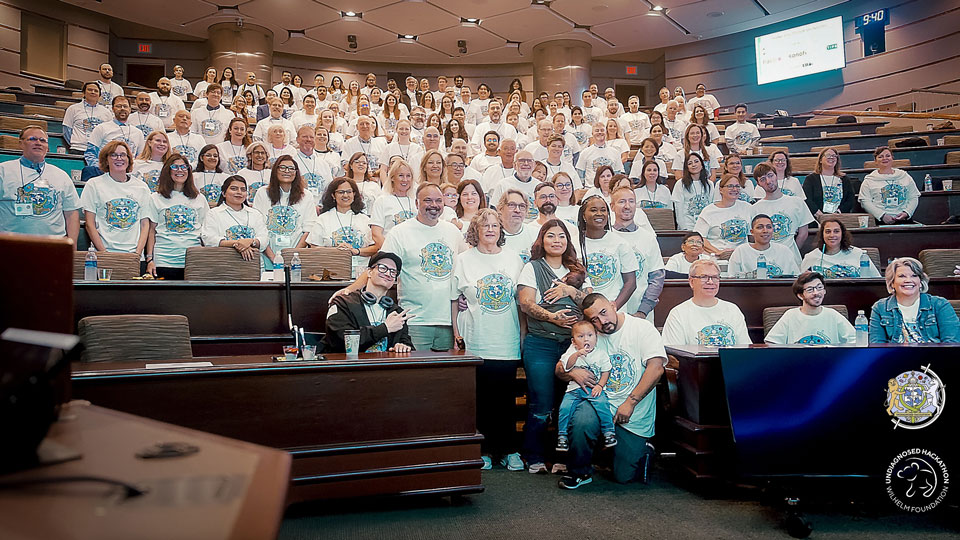
The 3rd Undiagnosed Hackathon took place 22–24 September 2025, organized by Wilhelm Foundation in collaboration with Mayo Clinic, Rochester, Minnesota, USA. 130 collaborators from 28 countries worked for an intensive 48 hours on the cases of 29 families from 15 countries. The bell rang six times during the Hackathon — each ring marking a potential diagnosis for a family who had searched for answers for years. Nine more People Living With Undiagnosed Diseases left with clear follow-up strategies, and three months after the Hackathon, a potential diagnosis was identified for one additional individual as a direct result of the continued work. As the Undiagnosed Hackathon is a research protocol, every potential diagnosis must be validated by the responsible clinician before it can be used clinically. For the first time, families could nominate themselves or their child to take part — strengthening the individual-centred approach at the heart of the model.
Nijmegen 2024 — the 2nd Undiagnosed Hackathon
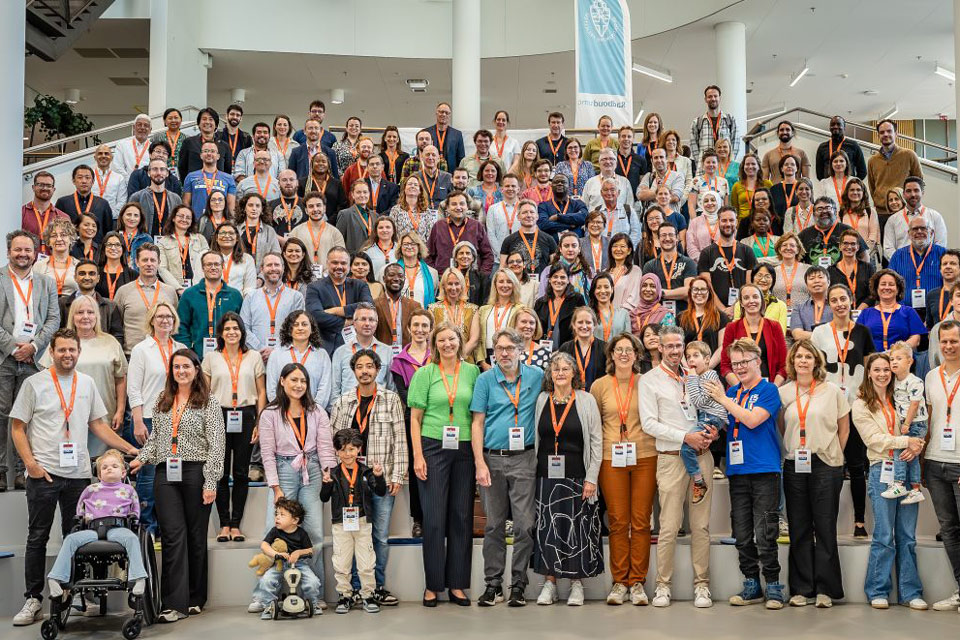
The 2nd Undiagnosed Hackathon took place 6–8 June 2024, organized by Wilhelm Foundation in collaboration with Radboud University Medical Center in Nijmegen, the Netherlands. Around 122 collaborators from 28 countries analyzed the cases of 42 families from 19 countries, reaching definitive diagnoses for ten families — with likely diagnoses for up to 45% of the families. The outcomes are published in Rare (2025).
Stockholm 2023 — the first Undiagnosed Hackathon
The first Undiagnosed Hackathon in the world was pioneered by Wilhelm Foundation in June 2023, in collaboration with Karolinska UDP, Karolinska Institute and Hospital in Stockholm, Sweden, and PhenoTips. About 100 experts from 28 countries worked on the cases of 13 individuals — eleven children and two adults — and 40% of the families received a diagnosis. The results are published in Nature Genetics (2024).
Read German Demidov's account of the first Undiagnosed Hackathon 2023 on Medium