What's next
Workshop at ASHG 2026
October 20, 2026
Montréal
Mission of the Undiagnosed Hackathon
The mission of the Undiagnosed Hackathon is to find new ways to solve the undiagnosed diseases that cannot be solved today.
We focus on individuals who have already undergone extensive diagnostic evaluation at an Undiagnosed Diseases Program (UDP) or equivalent—including a negative whole exome or whole genome sequencing—yet remain without a diagnosis.
By collecting new samples and generating new data, we aim to go beyond current limitations and unlock answers that existing approaches have not been able to provide.
Why it matters
There are an estimated 350 million people living with undiagnosed diseases worldwide.
While genome sequencing can provide answers for approximately 40% of People Living With Undiagnosed Diseases (PLWUD), around 60% remain without a diagnosis—often for years, decades, or a lifetime.
The Undiagnosed Hackathon is designed specifically for this 60%.
Without a diagnosis, there is no name for the disease, no prognosis, no treatment and no way for families to receive genetic advice about why two or more children in the same family may be affected by the same undiagnosed disease. A late diagnosis can lead to irreversible consequences — and in the worst case, it can be fatal. Diagnosis changes everything.
A unique model of collaboration
The Undiagnosed Hackathon is not a conference. During this 48-hour event, multidisciplinary teams — clinicians, geneticists, bioinformaticians, molecular biologists, scientists, AI specialists, developers, and other experts — work intensively together on the most complex unsolved cases. There is no hierarchy and there are no silos: nobody is there to promote themselves or their organization, and everyone works side by side, combining expertise, technologies, and perspectives to discover new diagnostic pathways.
No lectures. Only work. No silos. No hierarchy.Different expertise • New technologies • New perspectives • One goal: a diagnosis
Centred around the individual
Local People Living With Undiagnosed Diseases and their families attend the Undiagnosed Hackathon in person — making the invisible visible.
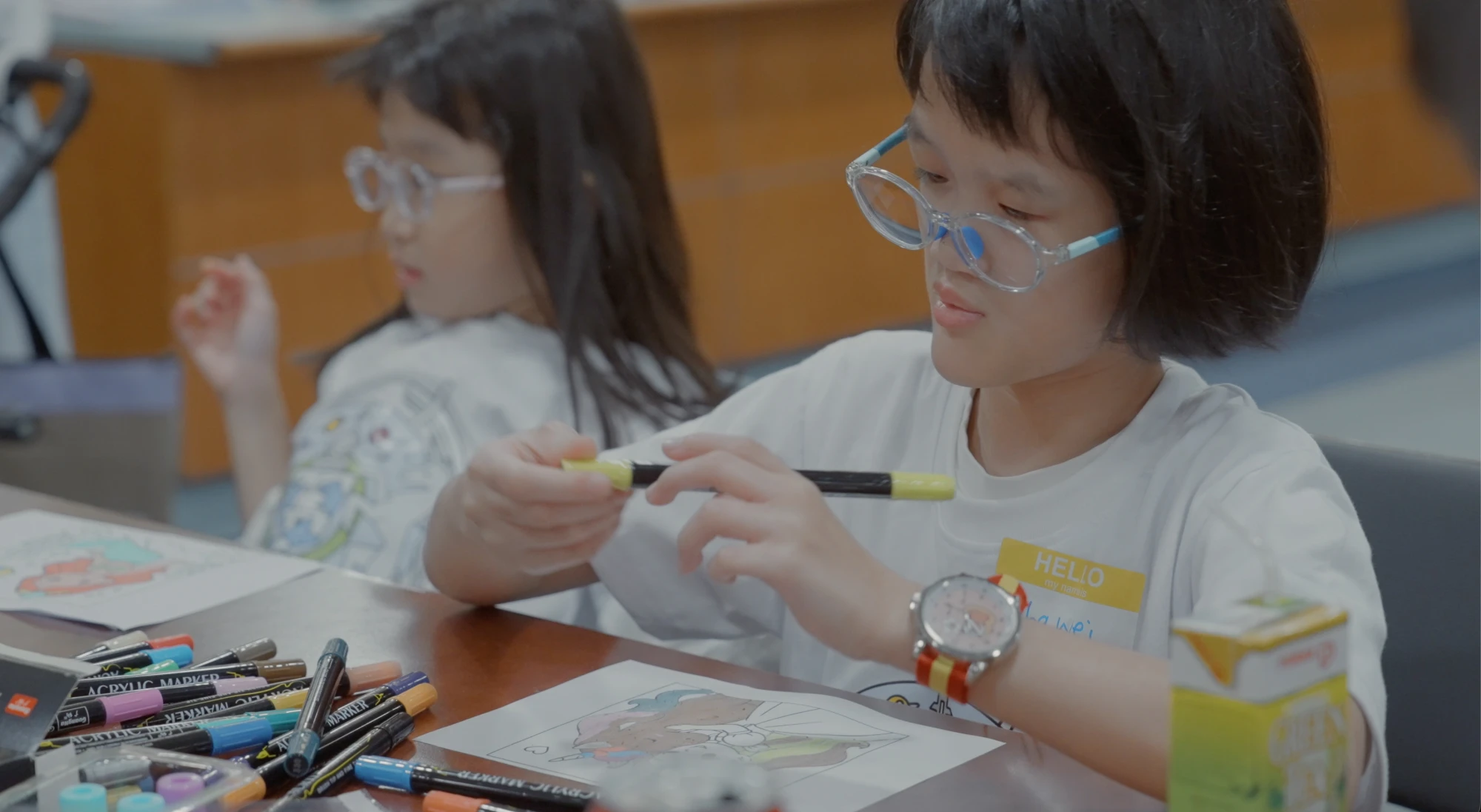
At the heart of the Undiagnosed Hackathon are the People Living With Undiagnosed Diseases and their families — and the local families are there in person. Meeting the individuals behind the data changes how everyone in the room works: these are children and adults who, despite years of investigations and the best efforts of medical and scientific experts, are still waiting for answers. Making the invisible visible is part of what makes the Undiagnosed Hackathon unlike any other event.
Since 2025, the Undiagnosed Hackathon is a research project. Any findings are diagnostic leads that must be validated by the individual's own clinician before they can become a confirmed clinical diagnosis. We know that when one individual receives a diagnosis, it can unlock answers for many others around the world who share similar symptoms or genetic variants.
Hugo Fellows — bringing the next generation to the Undiagnosed Hackathon
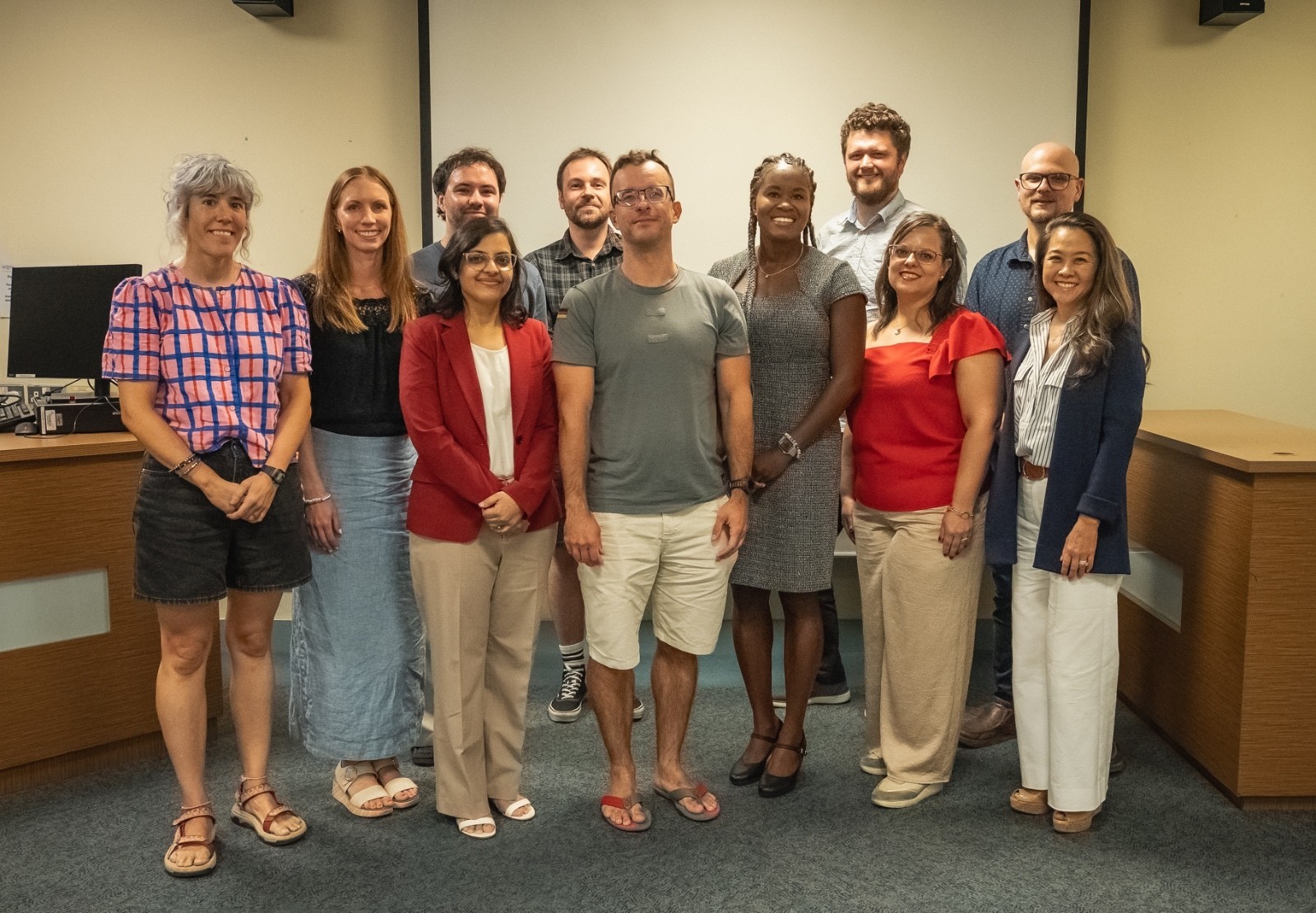
The Hugo Fellows are an exceptional group of young clinicians, scientists, bioinformaticians, geneticists, data specialists, and innovators who have already contributed at an Undiagnosed Hackathon — and who keep searching for answers long after the 48 hours have ended. The Hugo Fellows are named in memory of Hugo Cederroth.
Read more about the Hugo Fellows →
One diagnosis can help many. A new way can help a magnitude more.
Meet us at ASHG 2026 in Montréal
On Tuesday 20 October, at the American Society of Human Genetics (ASHG) 2026 in Montréal, Wilhelm Foundation is hosting a full-day workshop: Using AI-Enhanced, Multiomic Tools to Solve Rare and Undiagnosed Diseases, 10:00–16:00.
If you have ever wondered what an Undiagnosed Hackathon actually is, this is the day to find out. Dave Pearce and Helene Cederroth will open the workshop with a short talk on how an Undiagnosed Hackathon works — how we bring clinicians, geneticists, bioinformaticians, and data scientists together around real families, with no hierarchy and no silos, and what has come out of it so far.
Then we get to work. The state-of-the-art tools we use will be demonstrated by the people who built them, bringing together long- and short-read sequencing, RNA, and methylation data with clinical and phenotypic insight. And in the heart of the day, we turn to some of the most challenging unresolved cases there are: 10 People Living With Undiagnosed Diseases (PLWUD) who are still without an answer after both an established Undiagnosed Diseases Program (UDP) and an Undiagnosed Hackathon. New tools, fresh eyes, real cases. Paul Lasko, Eric Klee, and Cherisse Marcou will lead this part of the day.
An important note: this is a research protocol, and as with every diagnostic protocol, any diagnosis must be validated before it can mean anything for a family.
Everyone is welcome — all areas and all levels of expertise, from beginner to expert diagnostician.
Practical details: bring a laptop, and create your tool accounts in advance (about 30 minutes) — the datasets will be released two weeks before the workshop. The workshop is ticketed (USD 100 for ASHG members, USD 150 for non-members, boxed lunch included) and advance registration is required.
Wilhelm Foundation's goal has never changed: to find new ways to solve the 60% of diseases that cannot be diagnosed today. Behind every one of those cases is a family still waiting. Come and help us make the invisible visible.
Undiagnosed Hackathon in Singapore
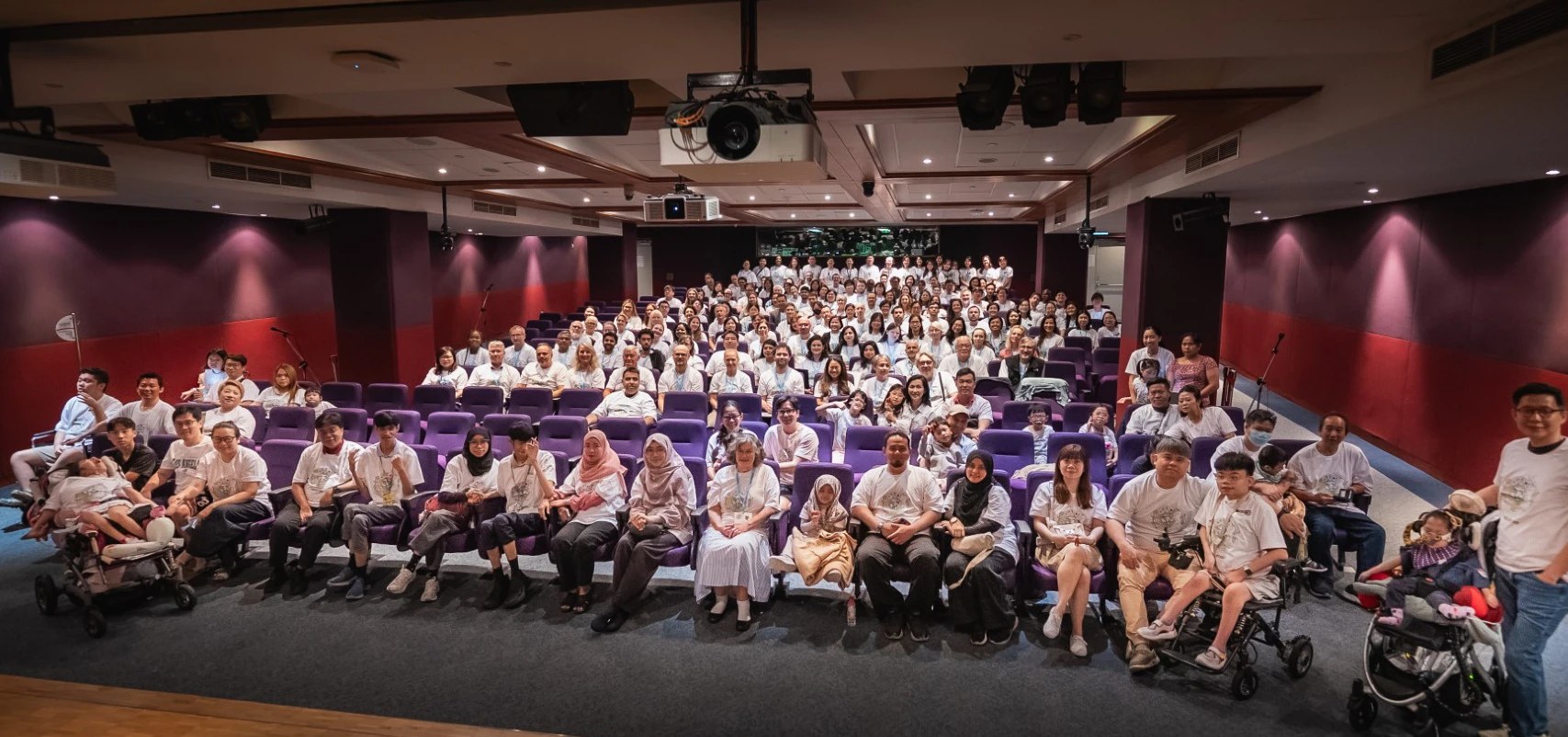
The 5th Undiagnosed Hackathon, organized by Wilhelm Foundation in collaboration with KK Women's and Children's Hospital, SingHealth, took place September 17–20, 2026 in Singapore. The main event took place on 19–20 September, preceded by a Phenotyping Course on 17 September. A Tools Workshop on 18 September and the welcome dinner kicked off the experience.
The event brought together a global community of collaborators — clinicians, bioinformaticians, molecular biologists, researchers, developers, AI specialists, and many more — to work on complex cases for People Living With Undiagnosed Diseases. Every collaborator played a key role in solving cases and in finding new ways to solve the undiagnosed diseases that cannot be solved today.
Data
We have completed new samplings from 25 children and adults from Singapore and countries in the region, with one goal: to provide answers and potential diagnoses where none have been found before.
Over two days, collaborators worked closely with detailed clinical information, deep phenotyping, and advanced multiomic data — including genome and transcriptome data, and for the first time proteomics — together with state-of-the-art diagnostic tools. Sequencing data was pre-processed by the bioinformatics team as well as through partner platforms, and raw data is available for two years after the event for collaborators interested in performing re-analysis.